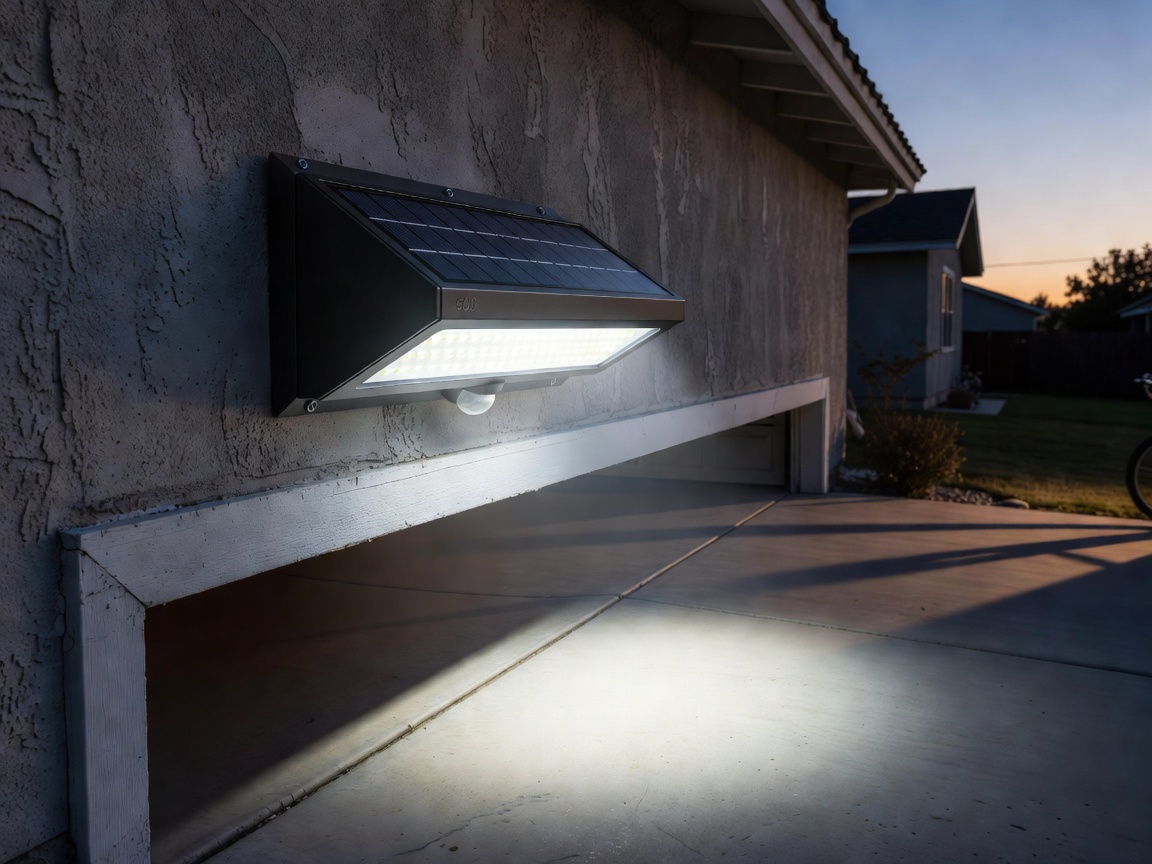
Securing the perimeter of a property traditionally meant running expensive electrical conduit across exterior walls or digging trenches through landscaping to power high-voltage halogen bulbs. Today, solar flood lights offer a robust, self-sustaining alternative. By combining advanced LED technology with high-capacity lithium batteries and sensitive motion detectors, these units can bathe dark driveways, alleys, and backyards in brilliant light instantly.
The Core Mechanics of Solar Security Lighting
Unlike pathway lights designed for a continuous low-level glow, security flood lights remain dormant or operate at a very dim standby level until triggered. The heart of the system is the Passive Infrared (PIR) sensor. This sensor constantly monitors the ambient infrared energy (heat) in its field of view. When a person, large animal, or vehicle crosses into this field, the sensor detects the rapid change in heat and instantly triggers the LED array to fire at maximum brightness.
Critical Specifications for Security
1. Lumen Output and Coverage Area
Brightness is paramount for security. A standard outdoor solar flood light should deliver at least 800 lumens to be effective at startling intruders and providing clear visibility for security cameras. For large driveways or commercial loading zones, look for multi-head configurations pushing 1,500 to 2,500 lumens. Adjustable heads allow you to direct the light spread precisely where it is needed, covering wider blind spots than a single fixed panel.
2. PIR Sensor Sensitivity and Range
A flood light is only as good as its motion sensor. The ideal sensor has an detection angle of between 120 and 180 degrees and a forward range of 30 to 50 feet. Premium models allow you to adjust the sensitivity so you aren't constantly triggering the light via wind-blown branches or small nocturnal animals like raccoons and cats.
3. Battery Capacity
Because firing high-lumen LEDs draws significant power, the battery must be substantial. Look for Lithium Iron Phosphate (LiFePO4) or high-capacity Lithium-ion (18650 cells) batteries rated at 2,000mAh or higher. High-capacity batteries ensure that even if the light is triggered a dozen times during a long winter night, it won't deplete before dawn.
Separated vs. Integrated Panels
One of the main installation challenges for security lights is that the areas needing light (under eaves, dark alleyways, deep porches) are inherently shaded. To solve this, many manufacturers offer split or separated designs. In these systems, the lighting fixture and the PIR sensor are mounted in the dark zone, while the solar panel is connected via a 10 to 15-foot weatherproof cable and mounted on the roof or a sun-facing fascia board. Integrated units, where the panel is built into the top of the light housing, are easier to mount but require the entire unit to be placed in direct sunlight.
Pros and Cons
- Pros: Immediate startle effect for trespassers; provides essential lighting for security camera recording; no electrician required for installation; operates during grid power outages.
- Cons: Cannot be placed under deep eaves without a separated panel cable; intense light can annoy neighbors if aimed improperly; cold weather can temporarily reduce battery efficiency.
Installation Advice
Mount security flood lights at a height of 8 to 10 feet. This is high enough to prevent tampering or vandalism but low enough for the PIR sensor to effectively detect human-sized heat signatures. Always test the motion sensor's range by walking the perimeter at night before finalizing the mounting screws.